





India is home to an extraordinary range of skin tones, from the lighter complexions common in parts of the north to the rich, deep brown skin found across the south and many other regions. This diversity is beautiful, but it also means that tattoo choices require some thoughtful consideration. What looks incredible on lighter skin may not translate the same way on darker skin, and vice versa. The good news is that with the right style, colour choices, and aftercare, every Indian skin tone can carry stunning tattoos. Let us dive into the specifics.
Understanding How Melanin Affects Tattoo Appearance
Tattoo ink is deposited in the dermis, the second layer of your skin. The epidermis, which sits above it, contains melanin, the pigment that determines your skin colour. When you look at a tattoo, you are viewing the ink through this melanin layer. The more melanin in your skin, the more it filters and interacts with the tattoo ink beneath. This is why the same red ink that appears bright and vivid on very light skin may look more muted or take on a slightly different tone on darker skin. It does not mean the tattoo looks worse; it means the visual result is different, and your design choices should account for this.
Understanding this basic principle helps you make smarter decisions about styles, colours, and placement. It also means that an experienced artist who has worked extensively with Indian skin tones will produce dramatically better results than someone who has not.
Styles That Shine on Indian Skin: Blackwork and Bold Lines
Black ink is the undisputed champion across all Indian skin tones. It provides the highest contrast against brown skin and holds up beautifully over time. Styles that leverage black ink heavily tend to look spectacular:
- Blackwork: Solid black designs, geometric patterns, silhouettes, and large black-filled areas look incredibly striking on medium to dark Indian skin. The contrast between deep black ink and brown skin creates a visual impact that is hard to achieve with any other colour.
- Bold traditional: Neo-traditional and American traditional styles with thick, defined outlines work excellently because the bold lines remain visible and sharp even as the tattoo ages. The heavy outline acts as a frame that keeps the design readable.
- Tribal and Polynesian: These styles were originally created for and worn on darker skin tones across Pacific Island cultures. The bold patterns and solid black areas are designed to stand out on melanin-rich skin, making them a natural fit for many Indian skin tones.
- Dotwork and mandala: These are enormously popular in India, and for good reason. Intricate dot-based patterns create beautiful texture and depth using only black ink. Mandalas, in particular, have deep cultural significance and look absolutely stunning on Indian skin.
Geometric and Abstract Designs
Geometric tattoos rely on precise lines, shapes, and mathematical patterns rather than colour gradients. This makes them ideal for Indian skin tones because their impact comes from structure and contrast rather than subtle colour differences that might be muted by melanin. Sacred geometry, patterns inspired by Indian temple architecture, and abstract line work all translate beautifully. If you want something modern and clean, geometric styles are a safe and stunning choice across the entire Indian skin tone spectrum.
Which Ink Colours Work Best on Indian Skin
While black is always a reliable choice, colour tattoos absolutely work on Indian skin when the right shades are selected. Here is a breakdown:
- Colours that work well on most Indian skin tones: Deep reds, rich oranges, bright greens, royal blues, and deep purples. These saturated, bold colours have enough intensity to remain visible through the melanin layer. They create beautiful contrast without looking washed out.
- Colours that work on lighter to medium Indian skin: In addition to the above, lighter blues, certain pinks, and warm yellows can work well if applied with proper saturation by a skilled artist.
- Colours to approach carefully on darker skin: Pastels, light pinks, light yellows, white ink, and very light shades in general tend to become almost invisible on deeper skin tones once healed. They may look fine initially but fade to near-invisibility within a year or two. White ink highlights can be used sparingly for accents but should not be relied upon as a primary colour.
- The watercolour style caveat: Watercolour tattoos, which are hugely trendy, rely on soft, pastel-like colour washes and minimal outlines. On lighter Indian skin, these can look beautiful. On medium to dark skin, the soft colours tend to disappear or look muddy. If you have a darker complexion and love the watercolour aesthetic, discuss options with your artist, as some modified approaches with stronger colour saturation can work.
Realism and Portraiture on Indian Skin
Realistic tattoos, including portraits, can look absolutely phenomenal on Indian skin, but they require an exceptionally skilled artist. The challenge with realism on darker skin is that the subtle grey-scale shading used for depth and dimension can be harder to read. The solution is an artist who understands how to adjust contrast levels and uses bolder transitions between light and dark areas. Black and grey realism tends to work better than colour realism on deeper skin tones because the contrast range is more controlled. If you want a realistic portrait or nature scene, seek out an artist whose portfolio specifically showcases realistic work on skin tones similar to yours.
Healing Differences on Indian Skin
Melanin-rich skin has some specific healing characteristics that are important to understand:
- Keloid risk: Indian skin, particularly darker skin tones, has a higher tendency to form keloid scars. Keloids are raised, thick scars that extend beyond the original wound boundary. While most professional tattoos heal without keloids, it is worth knowing your family history. If you have a history of keloid formation from cuts or piercings, discuss this with your artist before proceeding. They may recommend a test patch or suggest a style with less trauma to the skin.
- Hyperpigmentation: Darker skin is more prone to post-inflammatory hyperpigmentation, which means the area around your tattoo may darken temporarily during healing. This usually fades within a few weeks to months but can be alarming if you do not expect it. Proper aftercare with gentle, non-irritating products helps minimise this.
- Longer visible healing: On lighter skin, redness from healing is very obvious and then fades. On darker skin, the healing process may look different because redness is less visible, but swelling and texture changes are still present. Do not assume your tattoo is fully healed just because it does not look red.
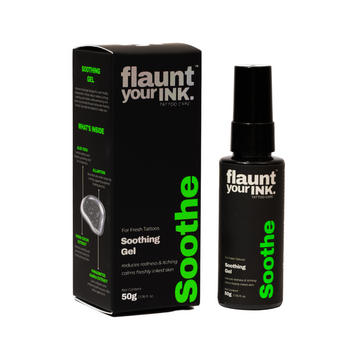
- Peeling appearance: When Indian skin peels during tattoo healing, the flaking skin can appear ashy or greyish. This is completely normal and does not indicate a problem with the tattoo. Keep the area moisturised with a healing gel and let the skin shed naturally. Never pick or peel the flakes.
Long-Term Care for Tattoos on Indian Skin
Darker skin tones are actually somewhat better protected from UV-related fading because melanin provides natural sun protection. However, this does not mean you can skip sunscreen on your tattoos. UV damage still occurs, just more slowly. And since moisturised, healthy skin always displays tattoos better, a dedicated care routine is even more important for maintaining that sharp, vibrant look.
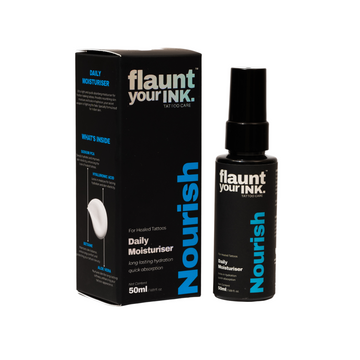
- Moisturise daily: Indian skin, especially in dry or cold climates, can develop an ashy appearance when dehydrated. On tattooed areas, this makes the ink look dull and lifeless. A daily application of tattoo-specific moisturiser keeps the skin supple and the ink looking fresh.
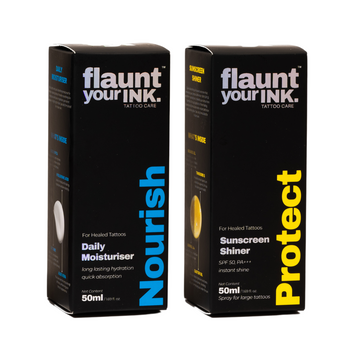
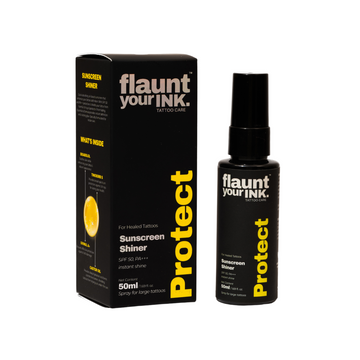
- Use sunscreen on exposed tattoos: The Sunscreen Shiner Spray protects without leaving the dreaded white cast that many sunscreens leave on brown and dark skin.
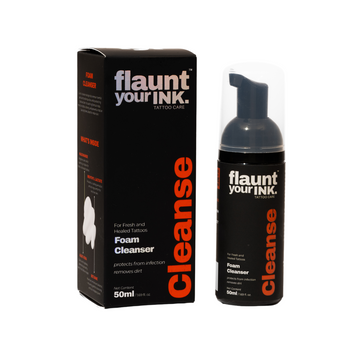
- Cleanse gently: Harsh soaps strip natural oils from your skin, which is especially damaging for melanin-rich skin that already tends toward dryness. Use a mild foam cleanser on your tattooed areas.
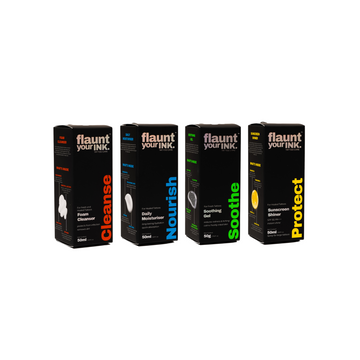
- Consistent routine: The Healed Trio Kit is specifically designed for ongoing maintenance of healed tattoos and includes everything you need for a daily care routine.
Choosing the Right Artist for Indian Skin
This cannot be overstated: the single most important factor in getting a great tattoo on Indian skin is choosing an artist who has genuine experience with your skin tone. Here is how to evaluate this:
- Ask to see healed photos specifically on skin tones similar to yours. Fresh tattoo photos can be misleading.
- Check if the artist adjusts their technique for different skin tones. A good artist will modify needle depth, colour choices, and saturation levels based on your complexion.
- Ask about their experience with potential complications on darker skin, such as keloids or hyperpigmentation.
- Indian tattoo artists who have worked extensively within India tend to have better experience with the full range of Indian skin tones compared to artists trained primarily on lighter skin.
Placement Tips for Indian Skin Tones
The natural variation in skin tone across your own body can affect how a tattoo looks in different locations. Areas that are frequently exposed to sun, like forearms and the back of the neck, tend to be darker and may affect colour perception differently than areas that are usually covered, like the inner arm or chest. Discuss placement with your artist and consider how the natural darkness of the area will interact with your chosen design and colour palette.
Inner arms, upper arms, the chest, and the back are popular placements for colour work on Indian skin because these areas tend to have more consistent skin tone and less sun damage. Hands and feet, while popular for small tattoos, experience more friction and sun exposure, which can affect long-term appearance.
Every Indian skin tone is a beautiful canvas for tattoo art. The key is making informed choices about style, colour, and artist selection, and then following through with consistent aftercare that keeps your skin healthy and your ink looking its absolute best. Your brown skin is not a limitation. It is a rich, warm backdrop that makes the right tattoo design truly come alive.