
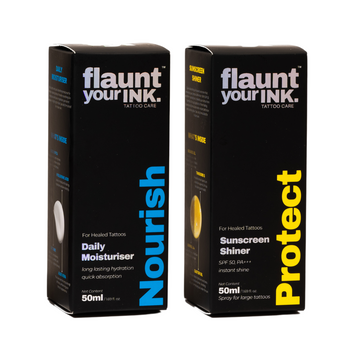
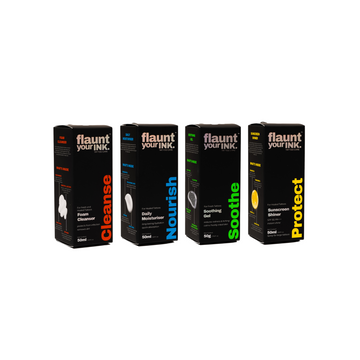
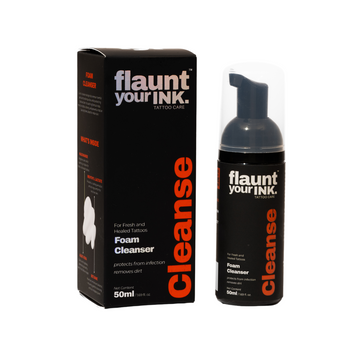
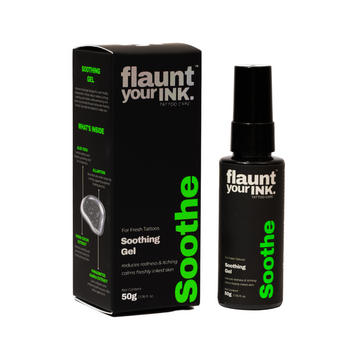





There's a particular disappointment in looking down at a tattoo you once loved and realising the colours just aren't hitting the way they used to. In India's climate — intense sun for most of the year, humidity that swings from coastal cities to dry northern plains — keeping colour tattoos vibrant takes a slightly different approach than standard aftercare advice assumes. Here's what actually works.
1. Moisturise for Colour Retention, Not Just Comfort
Hydrated skin is translucent and supple, which lets tattoo ink show through cleanly. Dry, dehydrated skin looks ashy and scatters light instead of reflecting it, making even a technically excellent colour tattoo look muted and dull. This is often the fastest, cheapest fix for a tattoo that “looks faded” when the ink itself is actually fine — the problem is the skin sitting above it.
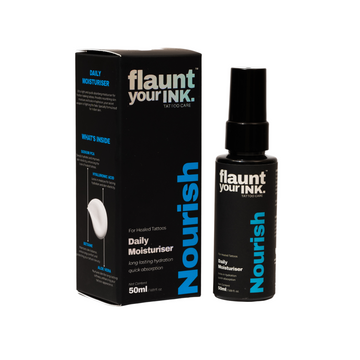
What to do: Apply a tattoo-specific daily moisturiser, morning and evening. Pay extra attention to thin-skinned areas like wrists, ankles, and inner arms, which dry out fastest and show dullness first.
2. Sunscreen Is Non-Negotiable for Colour Specifically
UV rays penetrate to the dermis and break down ink pigment molecules directly. This affects every tattoo, but colour tattoos show the damage faster and more visibly than black work — reds and yellows in particular are highly UV-reactive and are often the first colours to visibly dull, sometimes years before the rest of a piece shows fading.
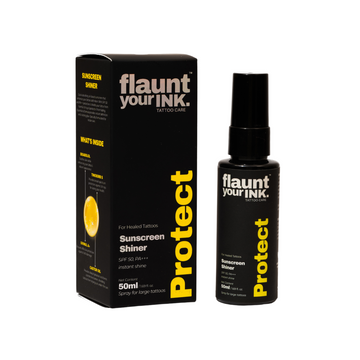
What to do: Use a broad-spectrum SPF 50+ tattoo sunscreen on any exposed colour tattoo, reapplied every 2-3 hours outdoors. If your tattoo includes red or yellow, treat sunscreen as essential, not optional.
3. Exfoliate Gently, Never Aggressively
A light layer of dead skin cells sitting on top of a tattoo makes colours look hazy rather than crisp. Gentle exfoliation removes this layer and restores visual sharpness — but aggressive scrubbing does the opposite, irritating skin and potentially pulling ink with it.
What to do: Once a week, use a soft washcloth with very light pressure on healed tattoos only. Never exfoliate a tattoo still in its healing window, and never use harsh physical scrubs or chemical exfoliants directly on the ink.
4. Avoid Chlorine and Salt Water When Possible
Both chlorinated pool water and salt water are mildly abrasive and drying to skin, and repeated exposure accelerates colour fading over time — a real consideration if you swim regularly or live in a coastal city.
What to do: Apply a thick layer of moisturiser as a barrier before swimming, and wash with a gentle cleanser plus fresh moisturiser immediately after. Don't let chlorine or salt water sit on tattooed skin for extended periods.
5. Choose an Experienced Colourist
Colour work is technically harder than black work. Ink needs to be deposited at a consistent depth in the dermis for colour to read true and hold long-term — too shallow, and colour fades fast; inconsistent depth, and you get patchy, uneven colour retention within months of healing.
What to do: When researching an artist for colour work specifically, ask to see healed photos of their colour pieces, not just fresh ones. Colour that still looks rich a year or more after healing is the real test of technique.
6. Time Touch-Ups Before Colours Fully Fade
Colour tattoos benefit from touch-ups sooner than black work, precisely because colour fades first and most visibly. Waiting until a tattoo looks significantly washed out makes the touch-up more noticeable as a “redo” rather than a seamless refresh.
What to do: If you notice reds or yellows softening noticeably, that's the signal to book a touch-up — don't wait for the whole piece to look faded.
7. Adapt Products to India's Seasons
Your skin's needs shift dramatically across an Indian year, and colour vibrancy tracks closely with how well your routine matches the season. Summer heat and sweat call for lighter, water-based products and more frequent cleansing. Monsoon humidity means less moisturiser is needed but more attention to keeping skin clean and dry to avoid bacterial growth. Winter — especially in northern India — dries skin aggressively and calls for richer, more frequent moisturising. See our full guide to tattoo care in Indian summer for a deeper seasonal breakdown.
What to do: Don't run the same routine year-round. Adjust moisturiser weight and cleansing frequency with the season, particularly if you live somewhere with sharp seasonal swings like Delhi or Punjab.
8. Watch for Fading Signs Early
Colour fading is easiest to address when caught early, before it becomes visually obvious to anyone but you.
- Reds and yellows looking slightly muted compared to when the tattoo was fresh
- Colour boundaries that used to be crisp starting to soften
- The tattoo looking “duller” in photos even though nothing else has changed
Catching these early signs means a lighter, cheaper touch-up rather than a more involved restoration later.
Keeping the Investment Worth It
Colour tattoos take real skill and real time in the chair. A consistent routine — moisturise, protect from sun, exfoliate gently, adapt to the season — is a small daily habit that protects a much bigger investment. For the fuller picture on why fading happens in the first place, see our guide on why tattoos fade, and for long-term maintenance beyond colour specifically, see keeping old tattoos looking new.